
When Payangan, Tampaksiring, and Tegallalang Become “Ubudization”: The Price of Geographical Mislabeling in Bali
GIANYAR, STATEMENTPOST.COM — Ubud’s global status as a tourism powerhouse is beyond dispute. The name alone promises tranquility, rich cultural heritage, artistic mastery, and wellness retreats, drawing travelers from all corners of the globe.
However, behind the strength of this iconic brand lies an emerging phenomenon: the blurring of geographical boundaries in media narratives and tourism marketing.
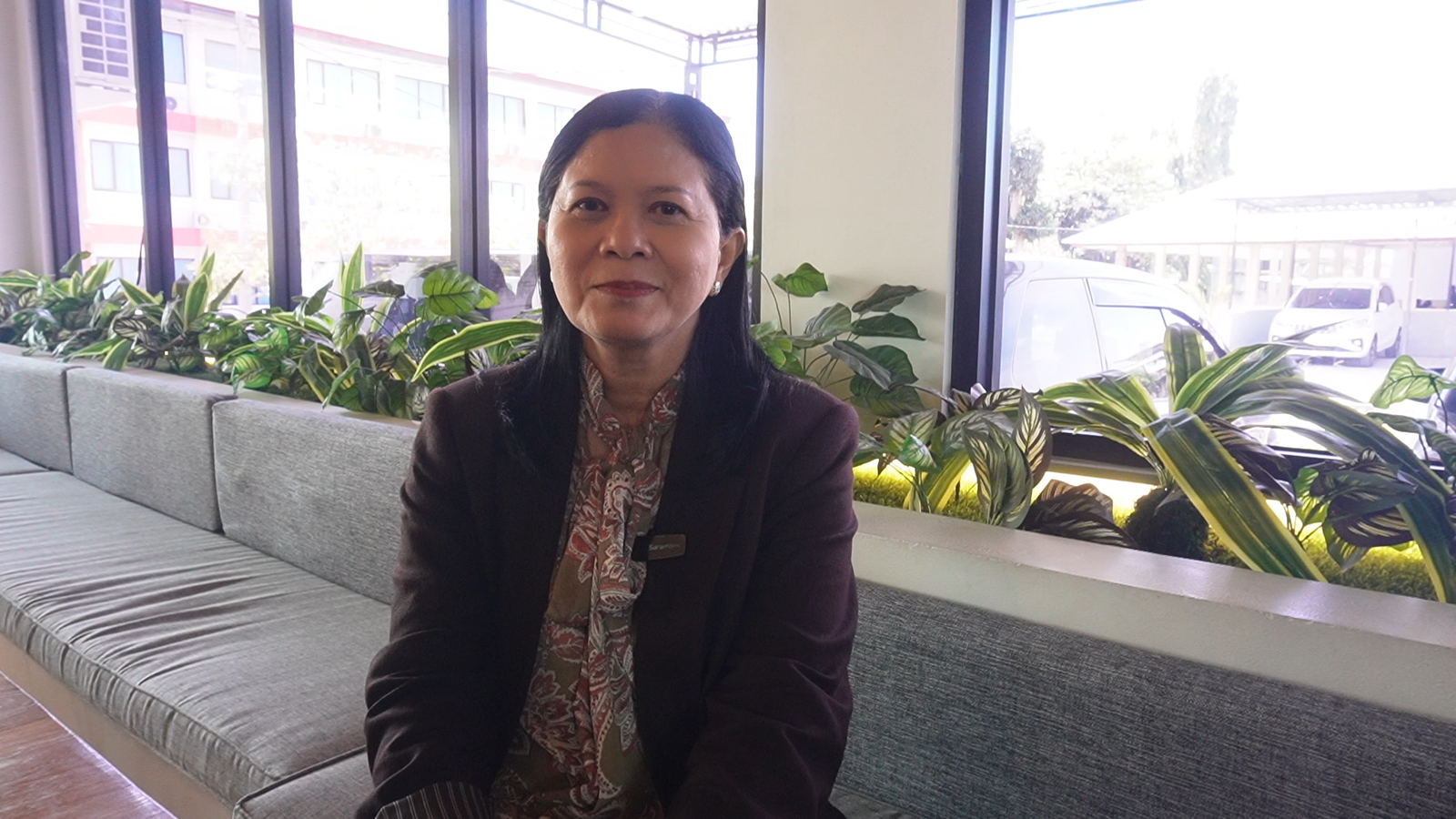
Academic and Rector of Universitas Ngurah Rai, Prof. Dr. Ni Putu Tirka Widanti, MM., M.Hum., said, today, marketing materials for accommodation, attractions, and real estate in neighboring districts, such as Payangan, Tampaksiring, and Tegallalang, frequently market themselves under the banner of “Ubud”.
This trend of geographical mislabeling presents a dual reality.
While highly effective for commercial promotion, it creates public confusion and erodes the distinct identities of these surrounding regions.
The expansion of the “Ubud” moniker beyond its administrative borders is primarily fueled by economic incentives. For businesses and marketing agencies, attaching “Ubud” to a property is the fastest route to boosting search engine rankings, building instant consumer trust, and driving up real estate values.
Numerous commercial venues administratively located in Payangan or Tegallalang explicitly feature “Ubud” in their business names and location tags across social media and booking platforms.
However, industry observers express growing concern, as misleading location tags risk confusing tourists and locals regarding travel distances, transportation logistics, and administrative clarity.
Beyond logistical confusion, a more profound long-term consequence of this “Ubud-ization” is the gradual erasure of the distinct cultural identities of the three neighboring districts.
Tegallalang is internationally renowned for its iconic Ceking Rice Terraces, UNESCO-recognized Subak irrigation network, and vibrant woodcarving traditions.
Tampaksiring serves as a historic and spiritual epicenter, home to the ancient Gunung Kawi Temple, Tirta Empul, and the Tampaksiring Presidential Palace.
Meanwhile, Payangan is distinguished by its cool highland climate, serene natural landscapes, and quiet agritourism retreats.
When these regions are homogenized under the single label of “Ubud”, their capacity to build independent place branding and stand on their own merit is severely compromised.
In journalism and tourism promotion alike, factual accuracy remains paramount. Proper geographical attribution is not merely about administrative borderlines on a map, but an act of respect toward local history, culture, and community identity.
Through media education and greater awareness among tourism stakeholders, there is a growing call to restore accurate regional designations.
Promoting Payangan, Tampaksiring, and Tegallalang under their true names will not diminish their appeal, as each already possesses a distinct charm and world-class beauty capable of shining on its own merit on the global stage.